Every year, thousands of travelers ask the same question before their Croatia trip: Do I actually need a rental car, or can I get by without one?
It's a fair question. Croatia has ferries, buses, and rideshares. Some islands are tiny. Some cities are walkable. So is renting a car worth the extra cost and hassle?
After helping countless travelers explore Croatia — from Istria to Dubrovnik — here's our honest, unfiltered answer.
The Short Answer
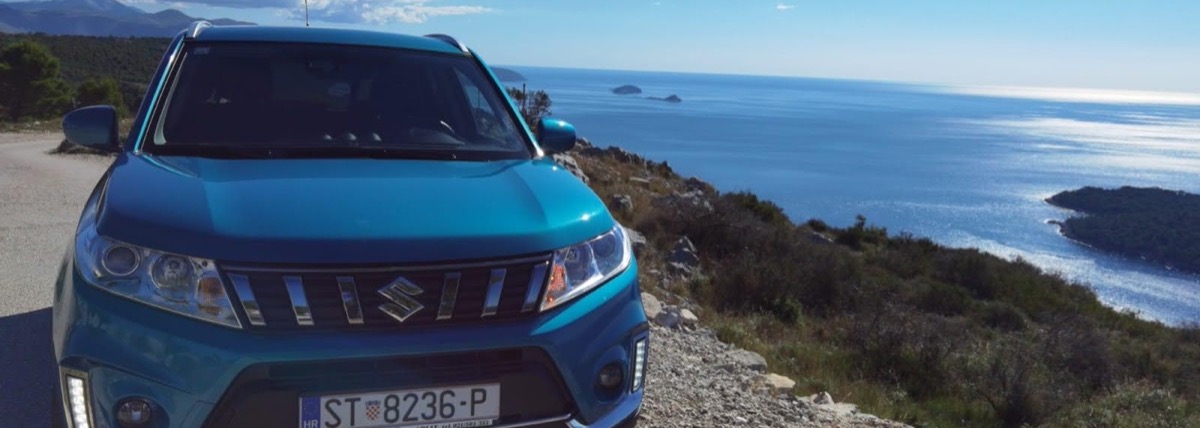
Yes — if you want to see the real Croatia, a rental car is worth every euro. But there are specific situations where you genuinely don't need one. We'll cover both.
When Renting a Car in Croatia Is 100% Worth It
1. You Want to Visit the National Parks
Plitvice Lakes, Krka, Paklenica, Brijuni — Croatia's national parks are its crown jewels. The problem? Most of them are nearly impossible to reach without a car unless you're willing to pay for expensive day tours that rush you in and out.
With a rental car, you drive there on your own schedule. You arrive early before the crowds (trust us, this matters at Plitvice). You stay as long as you want. You stop at random waterfalls on the way back. That freedom is priceless.

Insider tips for each park:
- Plitvice Lakes: Start at Entrance 1 for the upper lakes — fewer crowds and equally stunning. The lower lakes boardwalk gets packed by 11am in summer. Arrive before 8:30am or after 4pm. The park takes 4–6 hours to do properly. Don't skip Veliki Slap — it's the tallest waterfall in Croatia at 78 meters. Best base: rent a car from Zagreb Airport — Plitvice is just 2 hours south.
- Krka National Park: Unlike Plitvice, you can actually swim at Krka (at the Skradinski Buk area). Park at Lozovac and take the free shuttle down to the falls. The town of Skradin nearby is a hidden gem — tiny, quiet, with waterfront restaurants that serve fresh river trout. Easiest from Split Airport — about 1 hour north.
- Paklenica: This one's for hikers and climbers. The Velika Paklenica canyon trail is an easy 2-hour walk, but the serious stuff goes all the way up to the 1,757m summit of Vaganski Vrh. You'll need a car to reach the trailhead — there's no public transport. Base yourself in Zadar — 50 minutes away.
- Brijuni Islands: Take the car to Fažana (near Pula) and catch the boat to Brijuni. You can't drive on the islands themselves, but you need a car to get to the ferry. The safari park and Roman ruins are worth the day trip.

2. You're Exploring the Dalmatian Coast
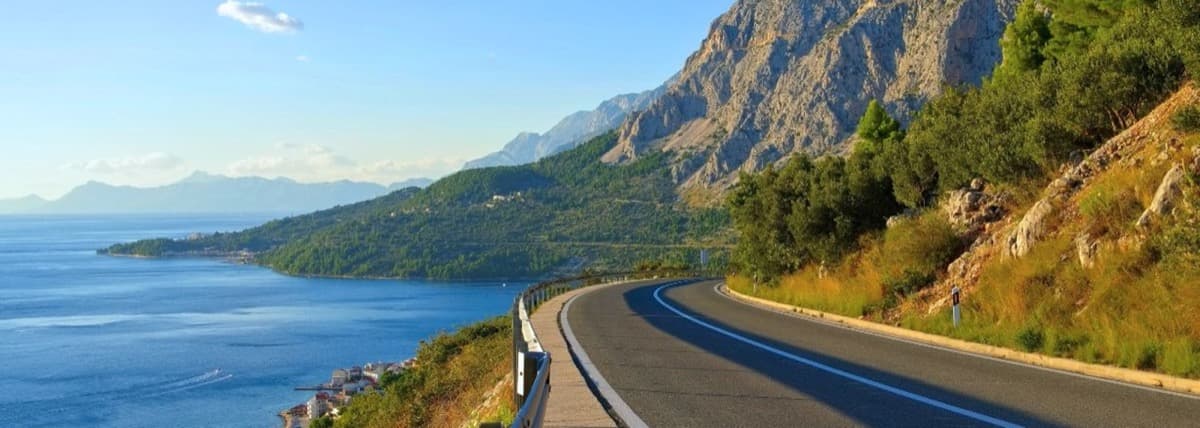
The stretch between Split and Dubrovnik is one of the most scenic drives in Europe. Coastal cliffs, hidden coves, medieval walled towns, olive groves. Buses do exist on this route, but they follow the highway — you miss everything worth seeing.
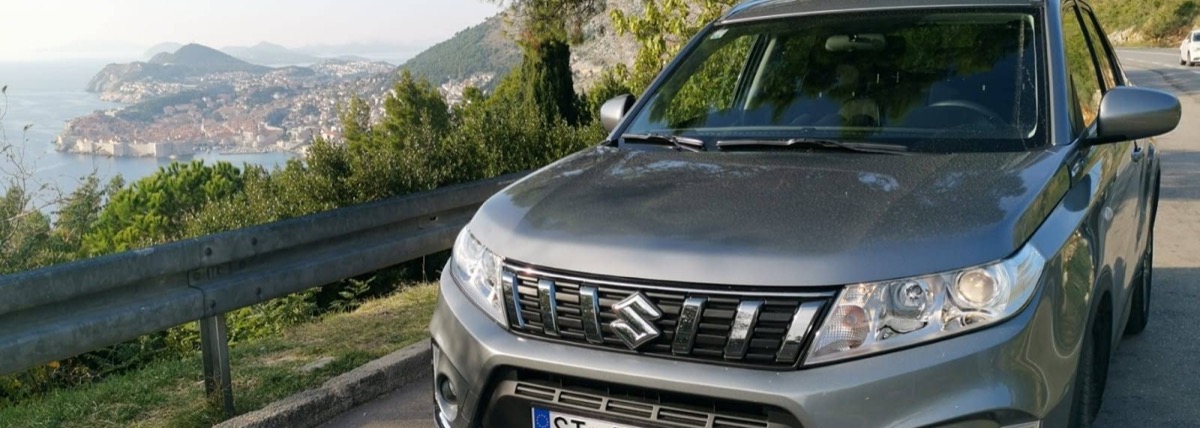
With your own car, you detour to Ston (the longest defensive walls in Europe after China's Great Wall), stop at Pelješac for wine tasting, and find that one empty beach that no tour bus ever visits.
Best stops along the Split–Dubrovnik route:
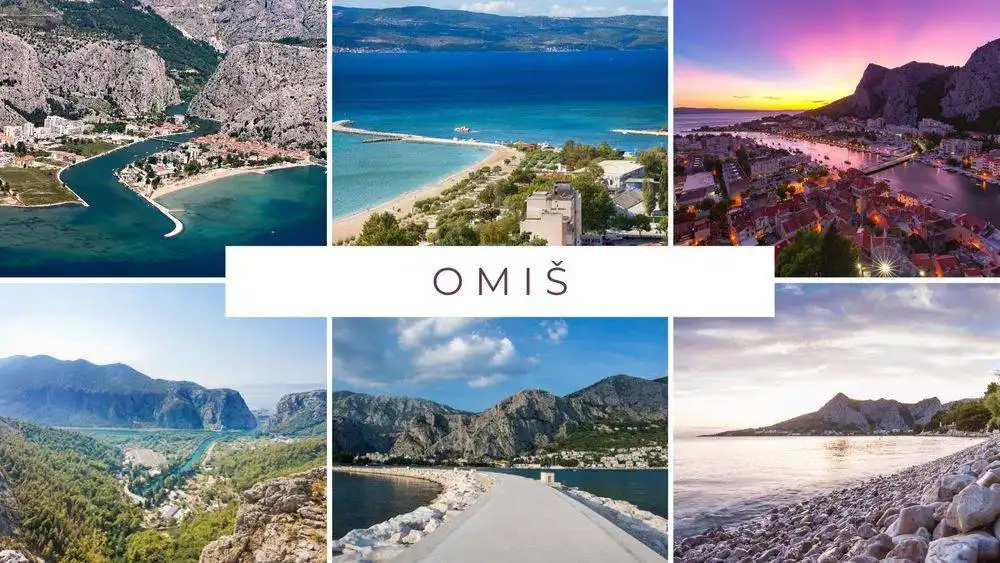
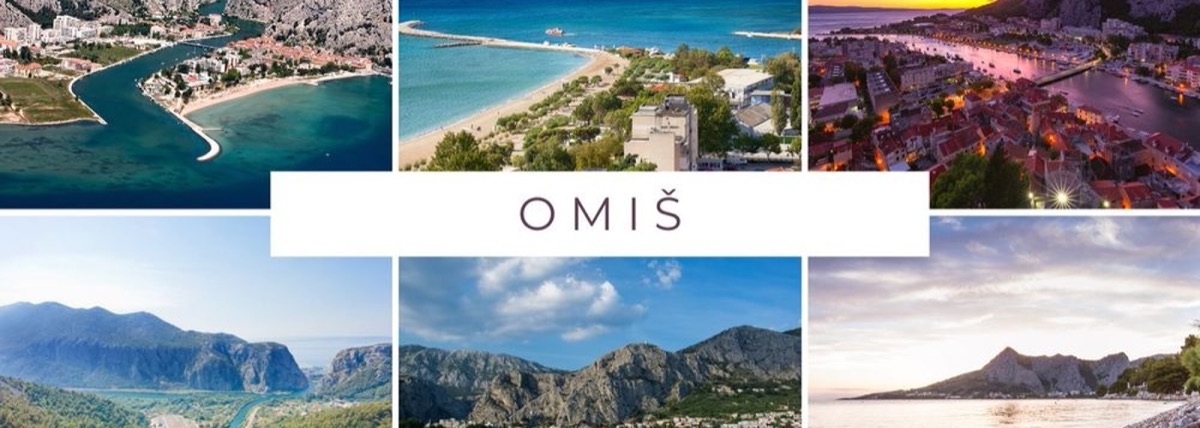
- Omiš (30 min from Split) — A dramatic small town where the Cetina River meets the sea, wedged between canyon walls. Try the zipline over the canyon or raft the river. The pirate fortress at the top gives panoramic views.
- Makarska (1.5 hrs from Split) — The most beautiful beach stretch on the mainland. The Biokovo Skywalk (a glass viewing platform 1,228m above sea level) is 20 minutes uphill by car and completely jaw-dropping. Open seasonally — check before you drive up.
- Ston (3 hrs from Split) — Famous for its 5.5 km medieval walls (walk them — it takes about an hour) and fresh oysters. Stop at the Mali Ston bay oyster farms for the freshest shellfish you'll ever taste. Around €8–€12 for a dozen.
- Pelješac Peninsula — Croatia's best wine region. The Dingač and Postup reds are world-class. Stop at any of the small family wineries along the road — most welcome walk-ins and charge nothing for tastings.
- Trsteno Arboretum (20 min north of Dubrovnik) — A 15th-century botanical garden with 500-year-old plane trees. Game of Thrones fans will recognize it as the King's Landing gardens. Tiny, peaceful, no crowds. €7 entry.
3. You're Going to Istria
Istria is Croatia's answer to Tuscany — rolling hills, truffle country, hilltop villages, vineyards. It was basically made to be explored by car. Public transport between Istrian towns is sparse and slow. A rental car here isn't a luxury; it's a necessity.
Must-visit towns in Istria by car:
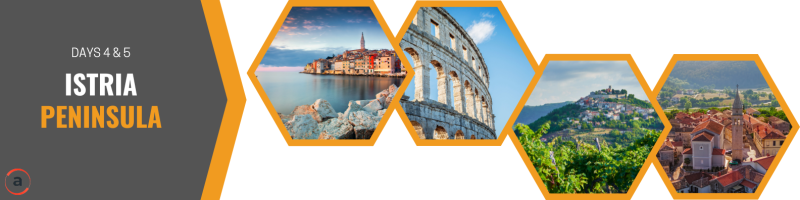
- Rovinj — The most photogenic town in Croatia. Cobblestone streets, pastel buildings, the church of St. Euphemia at the top. Walk the harbor at sunset. Park outside the old town (blue zone, ~€2/hr) and walk in.
- Motovun — A medieval hilltop town surrounded by truffle forests. The Motovun Film Festival in July is legendary. Visit any time of year for truffle pasta at Mondo restaurant (try the fuži with truffles — around €15).
- Grožnjan — Called the "town of artists." Tiny streets filled with galleries and jazz cafés. In summer, the Grožnjan Jazz Festival turns the whole village into a stage. Population: about 80 people. Total magic.
- Pula — The Roman Arena (amphitheater) seats 23,000 and still hosts concerts. Walk the old town for the Temple of Augustus and Triumphal Arch. Pula is also the starting point for boat trips to Brijuni Islands.
- Truffle hunting — Best from October to December. Several farms near Buzet offer guided hunts with trained dogs followed by truffle-heavy lunches. Book 1–2 days in advance. Around €50–€80 per person including meal.
4. You're Traveling With Family or a Group
Once you split a rental car between 4 people, it often costs less than everyone buying bus or ferry tickets separately. And you get door-to-door convenience, A/C, luggage space, and the ability to stop for groceries or a spontaneous lunch without checking a schedule.
Families with kids especially benefit — car seats are available with most rental companies (book in advance), and you can keep snacks, water, and beach gear in the trunk without lugging it around on public transport.
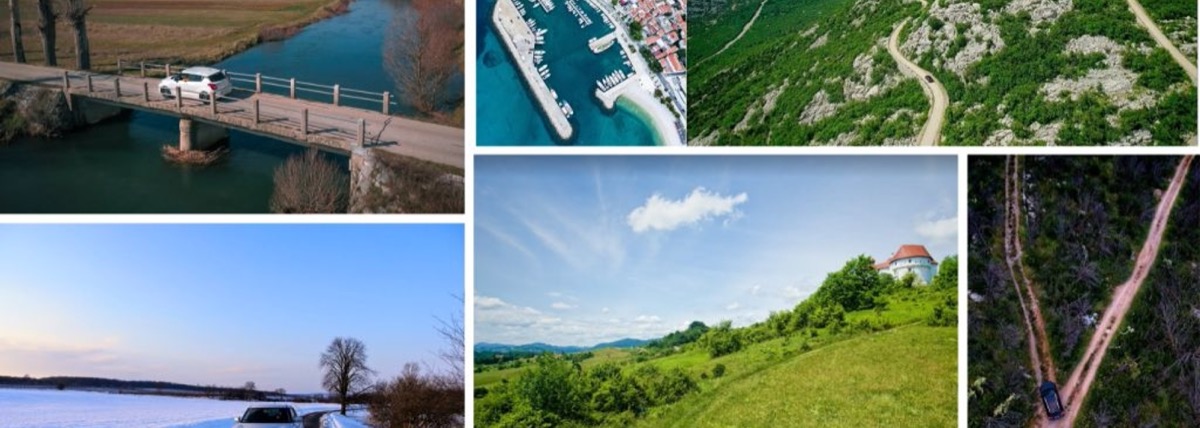
5. You Want to Explore Islands Like Hvar or Brač Properly
The ferries to Hvar and Brač run regularly from Split. Once you're there, though, the most beautiful parts of the islands — the quiet villages, the lavender fields, the hidden swimming spots — are spread across bumpy roads that bikes struggle with and taxis won't bother with.
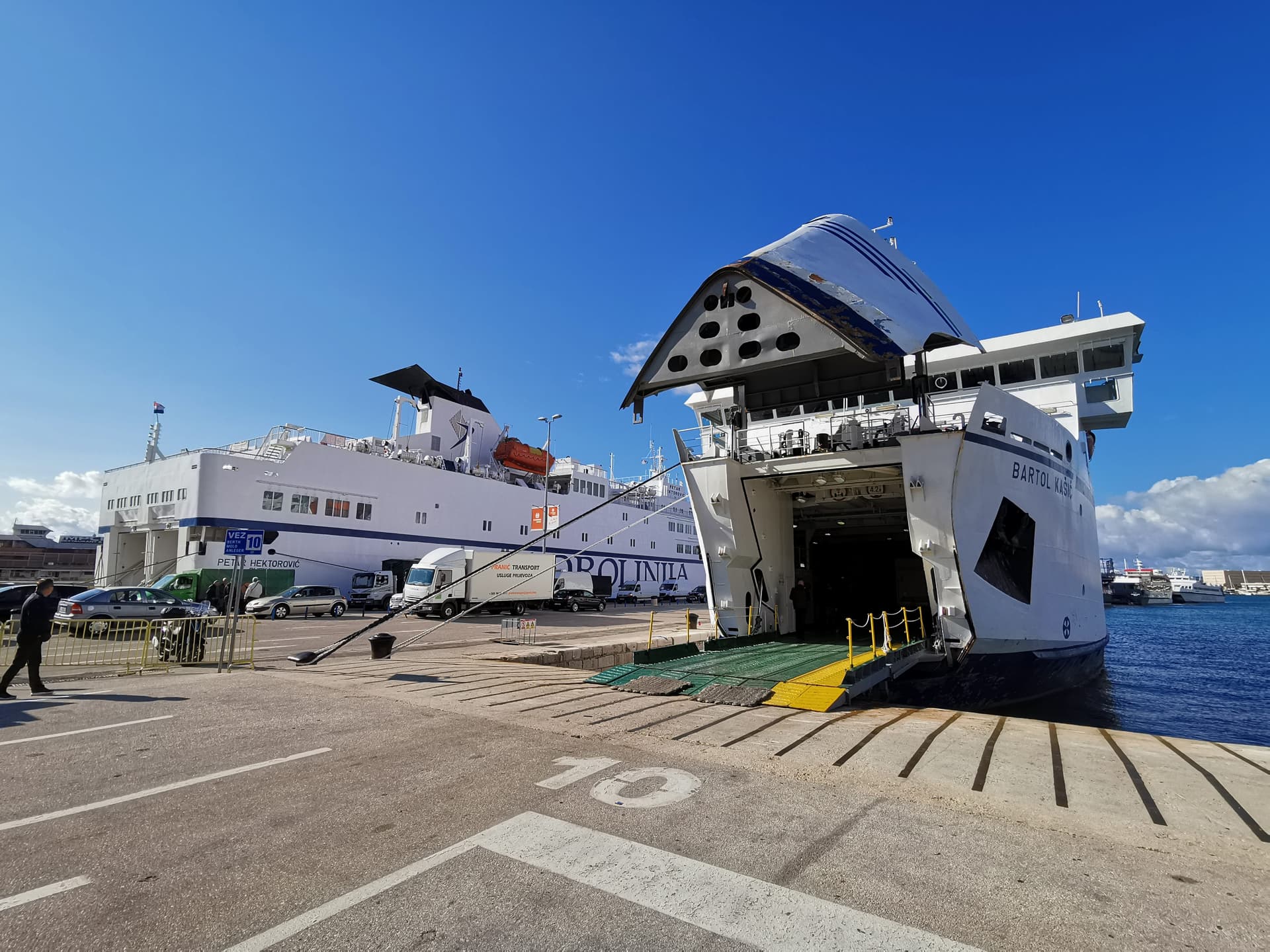
Taking your rental car on the ferry (yes, you can) unlocks the whole island, not just the main town.
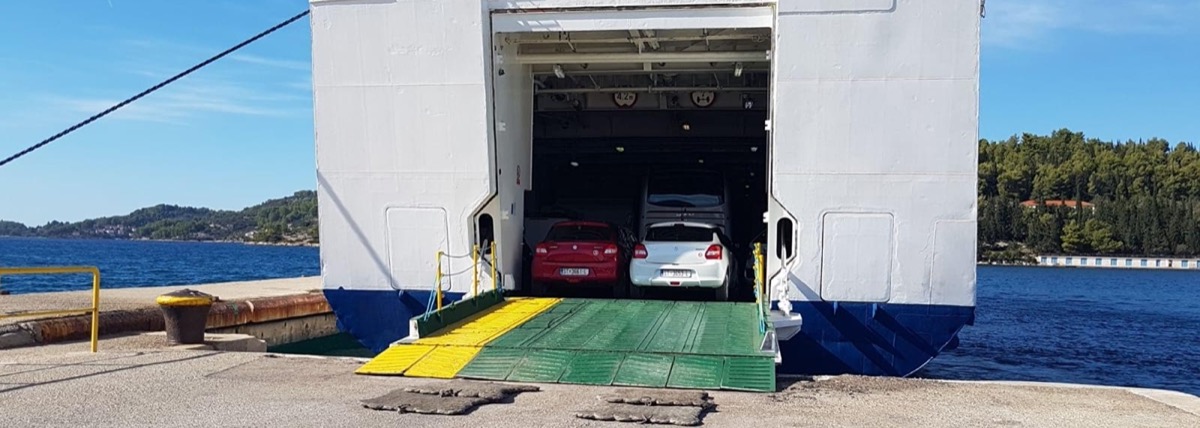
What to see on the islands by car:
- Hvar — Stari Grad Plain: A UNESCO World Heritage Site. Ancient Greek agricultural land that hasn't changed in 2,400 years. Drive through it on the road from Stari Grad to Hvar Town. In June–July, the lavender fields around Velo Grablje are in full bloom — follow the signs for "lavanda."
- Brač — Zlatni Rat beach (Bol): Croatia's most famous beach — a golden tongue of sand that changes shape with the wind. Drive to Bol from Supetar (40 min) and park above the beach. Also explore the hilltop village of Škrip (the oldest settlement on the island) and the Vidova Gora viewpoint at 778m — the highest point of all Adriatic islands.
- Vis: The most remote of the popular islands. Drive to Stiniva Beach (voted best in Europe) — it requires a short hike down but the cove is unreal. The Blue Cave on Biševo island is a boat trip from Komiža town.
Must-See Road Trip Stops (Hidden Gems)
Beyond the obvious hits, Croatia is packed with underrated spots you'd never reach without a car:

- Nin (15 min from Zadar) — The smallest cathedral in the world, therapeutic mud baths on Queen's Beach, and salt pans that have been operating since Roman times. You can buy Nin salt (fleur de sel quality) directly from the saltworks for a few euros.
- Šibenik (1 hr from Split) — The Cathedral of St. James is a UNESCO masterpiece built entirely from stone — no wood, no brick. The town is less touristy than Split or Dubrovnik but equally atmospheric. Visit Barone Fortress for sunset views.
- Primošten (30 min from Šibenik) — A tiny peninsula town that looks like something from a postcard. The vineyards on the terraced stone hills behind the town are UNESCO-protected. Swim off the rocks on the south side.
- Biokovo Skywalk (above Makarska) — A horseshoe-shaped glass platform jutting out over a 1,228m cliff. The drive up the mountain is an experience in itself — winding road, jaw-dropping views. Free parking at the top. Entry ~€5.
- Kornati National Park (from Murter or Šibenik) — 89 islands with almost no inhabitants. You can't drive there (it's a boat trip), but you need a car to reach the departure points in Murter or Betina. The moonscape-like islands are unlike anything else in the Mediterranean.
- Rastoke (10 min from Plitvice entrance) — A tiny village where rivers flow between and under the houses. Think of it as a miniature Plitvice without the crowds. Free to walk around. Have coffee at the waterfall-side café.
When You Probably Don't Need a Rental Car
Honesty matters more to us than selling you something you don't need. Here are the situations where you can genuinely skip the car:
- Staying only in Dubrovnik's Old Town: The Old Town is completely pedestrian. Parking near it is a nightmare and expensive (€8–€15/hr in summer). If your entire trip is Dubrovnik, use the city bus system (Libertas, ~€2/ride) or walk. For day trips to Lokrum Island or Elafiti Islands, ferries run from the old port.
- A pure Split city break: Split's Diocletian's Palace and waterfront are best explored on foot. The city has decent public transit, and the ferry to Hvar runs from the center. If you want to visit Trogir or Klis Fortress, city buses get you there.
- One-island trips (like Korčula or Vis): If you're spending your whole trip on a single small island with no plans to leave, a car adds more complication than value. Rent a scooter locally instead — it's cheaper and easier to park.
Best Time to Rent a Car in Croatia
When you go changes everything — price, availability, and how much you'll enjoy the drive.
- May: The sweet spot. Everything is open, roads are empty, prices are 40–50% cheaper than July. Weather is warm (20–25°C) but not scorching. National parks have small crowds. Our top recommendation for road trips.
- June: Ideal balance of good weather and manageable crowds. Lavender blooms on Hvar. Rental prices start climbing mid-month. Book by April to lock in the best rates.
- July–August: Peak season. Expect higher prices (€50–€80/day), busier roads on the coast, and parking headaches in popular towns. Book months in advance — rental fleets sell out. The upside: everything is open, beach weather is perfect, and nightlife is at its best.
- September: Locals call this "velvet season." Still warm enough to swim (24–27°C sea temperature), but the crowds thin dramatically after September 5. Prices drop. This is the second-best month for a road trip after May.
- October: Istria's truffle season peaks. The coast is quiet and beautiful. Some island ferry schedules reduce frequency, and a few national park facilities start closing. Great for inland driving, less ideal for island-hopping.
What Does Renting a Car in Croatia Actually Cost?
In peak summer (July–August), expect to pay €40–€80/day for a standard economy car from a reputable company. Off-season (May, June, September) drops to €20–€45/day. A week-long rental in shoulder season with full insurance typically runs €150–€250 total — less than two airport taxis in many European cities.
The hidden costs that catch travelers off guard:
- Insurance excess: Always take full coverage (CDW + theft protection + excess waiver). The base rental price often includes basic coverage but leaves you liable for the first €800–€1500 in damage. Full coverage removes that risk entirely.
- Fuel: Croatia's gas prices are in line with Western Europe (~€1.60–€1.80/liter). A compact car touring the coast for a week will use roughly €60–€80 in fuel. Tip: the INA and Petrol stations tend to be slightly cheaper than Tifon or Crodux. Google Maps shows live fuel prices at most stations.
- Toll roads: The A1 motorway (Zagreb to Split/Dubrovnik) has tolls. Budget around €20–€30 for a one-way drive down the coast. Scenic coastal roads (D8) are free but slower and more dramatic. Pro tip: Ask about an ENC (electronic toll) device at pickup — it lets you breeze through toll booths without stopping for cash.
Practical Tips for Driving in Croatia
Before you pick up your keys, a few things worth knowing:
Road Conditions
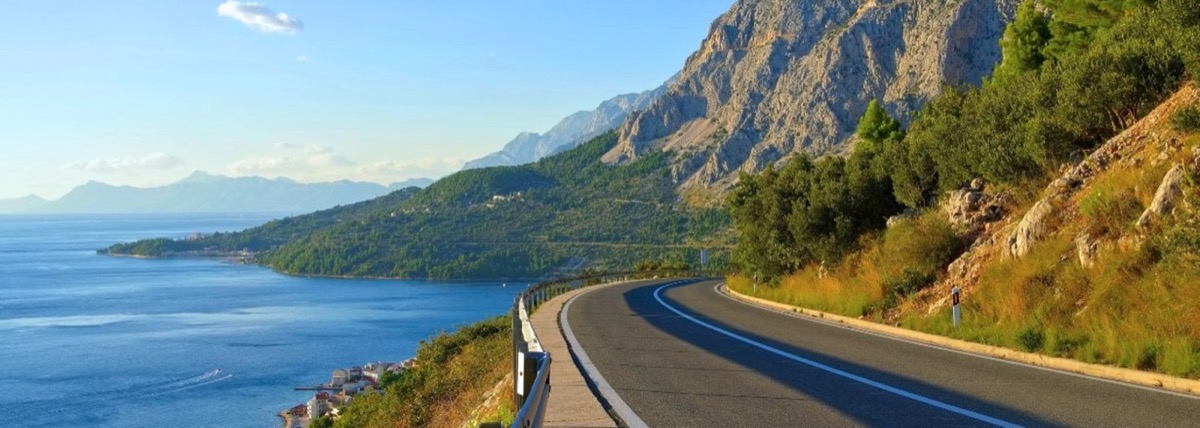
Croatian motorways are excellent — modern, well-maintained, and far less congested than Western European highways. Coastal and island roads can be narrow and winding. If you're not confident with tight mountain switchbacks, book a smaller car. The D8 coastal road is two lanes and gets busy in summer, but the views make up for the slower pace.
Parking in Coastal Towns
In July and August, parking in Split, Hvar Town, or Dubrovnik requires patience. Arrive before 9am or after 7pm. Many towns have paid blue zones (€1–€2/hour) and free parking a 10-minute walk from the center. It's manageable — just plan for it. Download the "EasyPark" app — most Croatian coastal towns support it for paying parking via phone.
Speed Limits
Motorways: 130 km/h. Main roads: 90–110 km/h. Urban areas: 50 km/h. Croatian police use speed cameras and are active in summer. Stick to limits — the fines are steep and on-the-spot. Common speed traps: the approaches to Zadar, the stretch near Šibenik on the A1, and coastal town entries.
Toll Roads
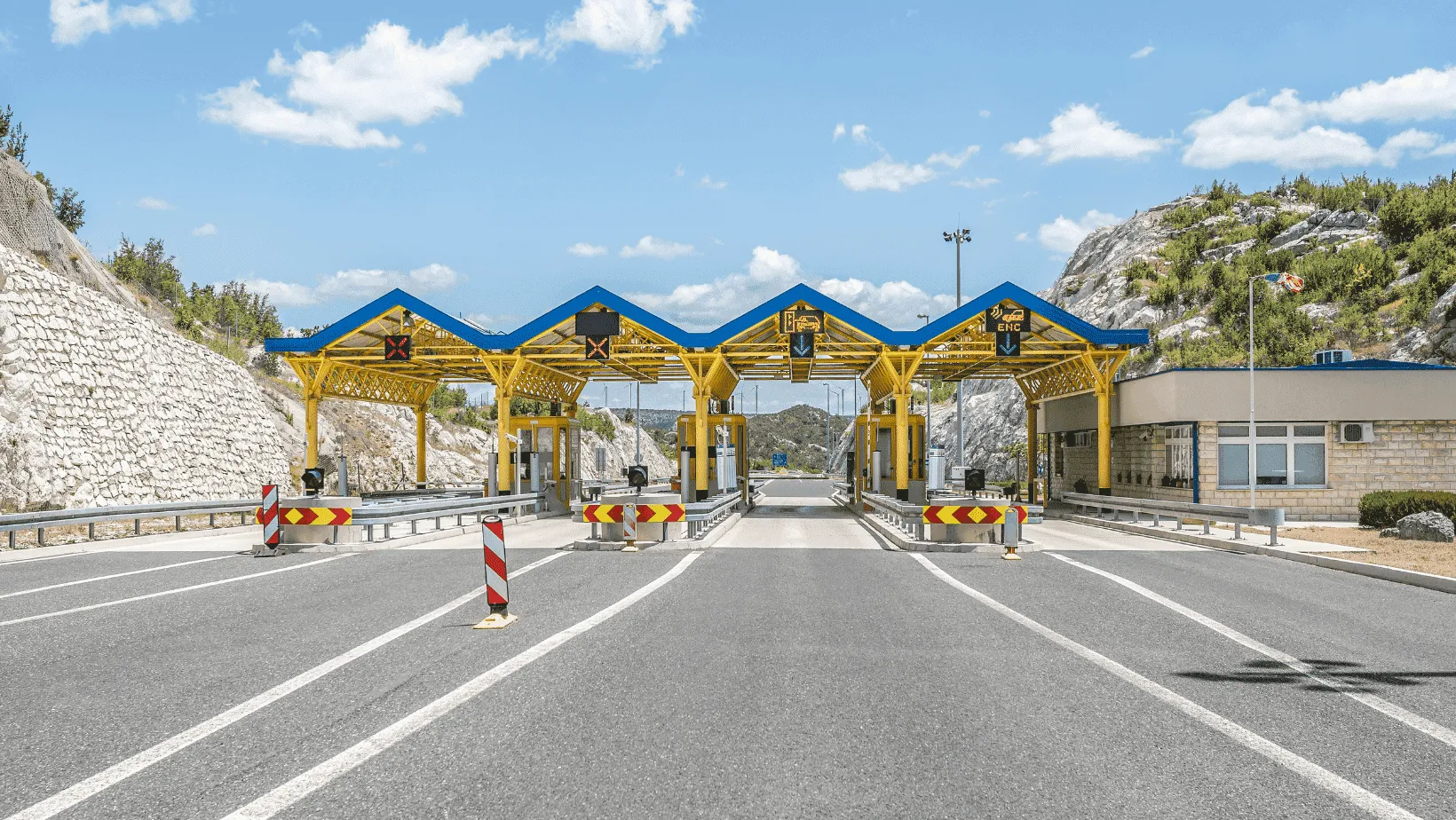
Unlike Slovenia, Austria, or Switzerland, Croatia does not require a motorway vignette sticker. You pay tolls at booths (cash or card accepted). Important: if you're driving FROM Slovenia into Croatia, you DO need a Slovenian vignette for their motorways (€15 for 7 days, available at gas stations before the border).
Border Crossings
Croatia is in the Schengen Area as of 2023. If you plan to drive into Bosnia (to pass through Neum on the way to Dubrovnik), confirm your rental agreement covers it — most do, but it's worth checking. Since the Pelješac Bridge opened in 2022, you can skip the Neum corridor entirely and drive from Split to Dubrovnik without leaving Croatia.
Night Driving on Islands
Island roads are unlit outside of towns. If you're driving on Hvar, Brač, or Vis after dark, go slow — goats, donkeys, and wild boar sometimes wander onto the road. Keep your high beams ready for unlit stretches.
What to Do if Something Goes Wrong
Croatian roadside assistance (HAK) can be reached at 1987 from any phone. Your rental company's number should also be in the documents in the glovebox. For minor issues, most gas stations can help. In case of an accident, Croatian law requires you to call the police (192) if there's any injury or significant damage. Always have the rental company's 24/7 number saved in your phone.
Best Places to Pick Up Your Rental Car
The most popular pickup locations in Croatia are:
- Split Airport (SPU): Ideal starting point for a Dalmatian Coast road trip. 30 minutes to Split, 1 hour to Makarska, 3.5 hours to Dubrovnik.
- Dubrovnik Airport (DBV): Good for starting in the south and driving north. 30 minutes to Dubrovnik old town. The Pelješac Bridge puts Ston just 1 hour away.
- Zagreb Airport (ZAG): Perfect if you want to include Plitvice Lakes on your route. Plitvice is 2 hours south, Split is 4 hours, and Istria is 3 hours west.
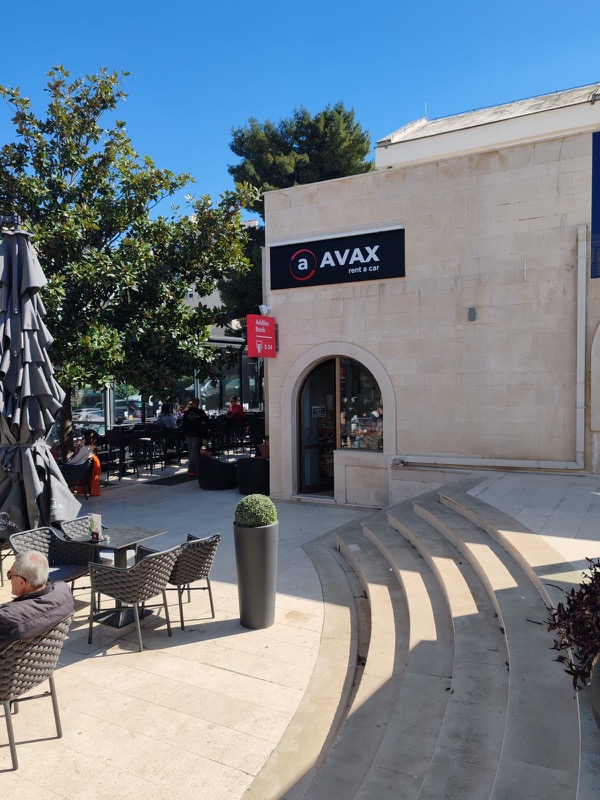
- Split City Center: No airport surcharge, convenient if you're arriving by ferry or bus. Pick up in the morning, be on the road by 10am.
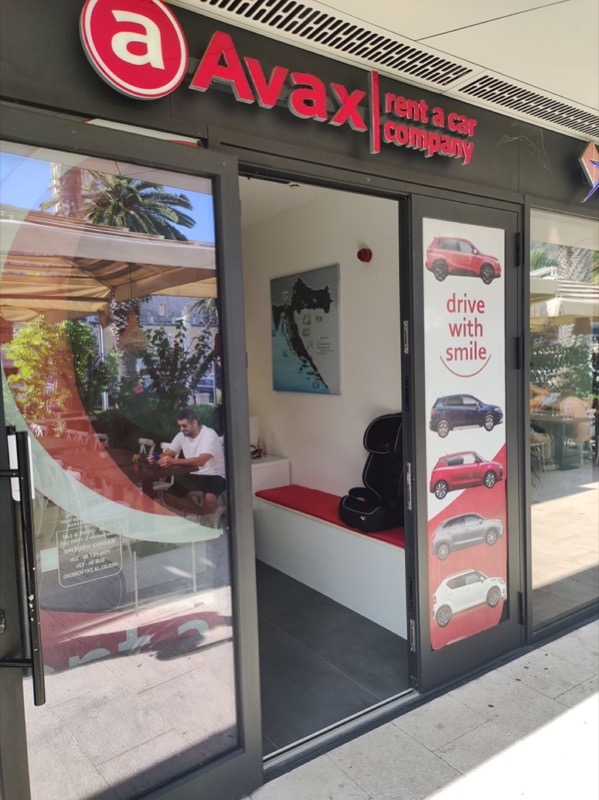
One-way rentals (pick up in Split, drop off in Dubrovnik) are available and a smart way to avoid backtracking — the coast only gets better as you go south.
Final Verdict
Renting a car in Croatia is worth it for the vast majority of travelers. The country was built for road trips — dramatic scenery, manageable distances, roads that reward the detour. The travelers who skip the rental car often leave wishing they'd had one.
Book early in summer (rental cars sell out by June), go for full insurance coverage, and take the scenic route whenever you can. The A1 gets you there faster. The D8 coast road makes the trip.