Croatia implements tolls on highways and motorways using a distance-based system with collection at toll booths. Understanding the toll system will help you plan your budget and travel more efficiently.
How the Toll System Works
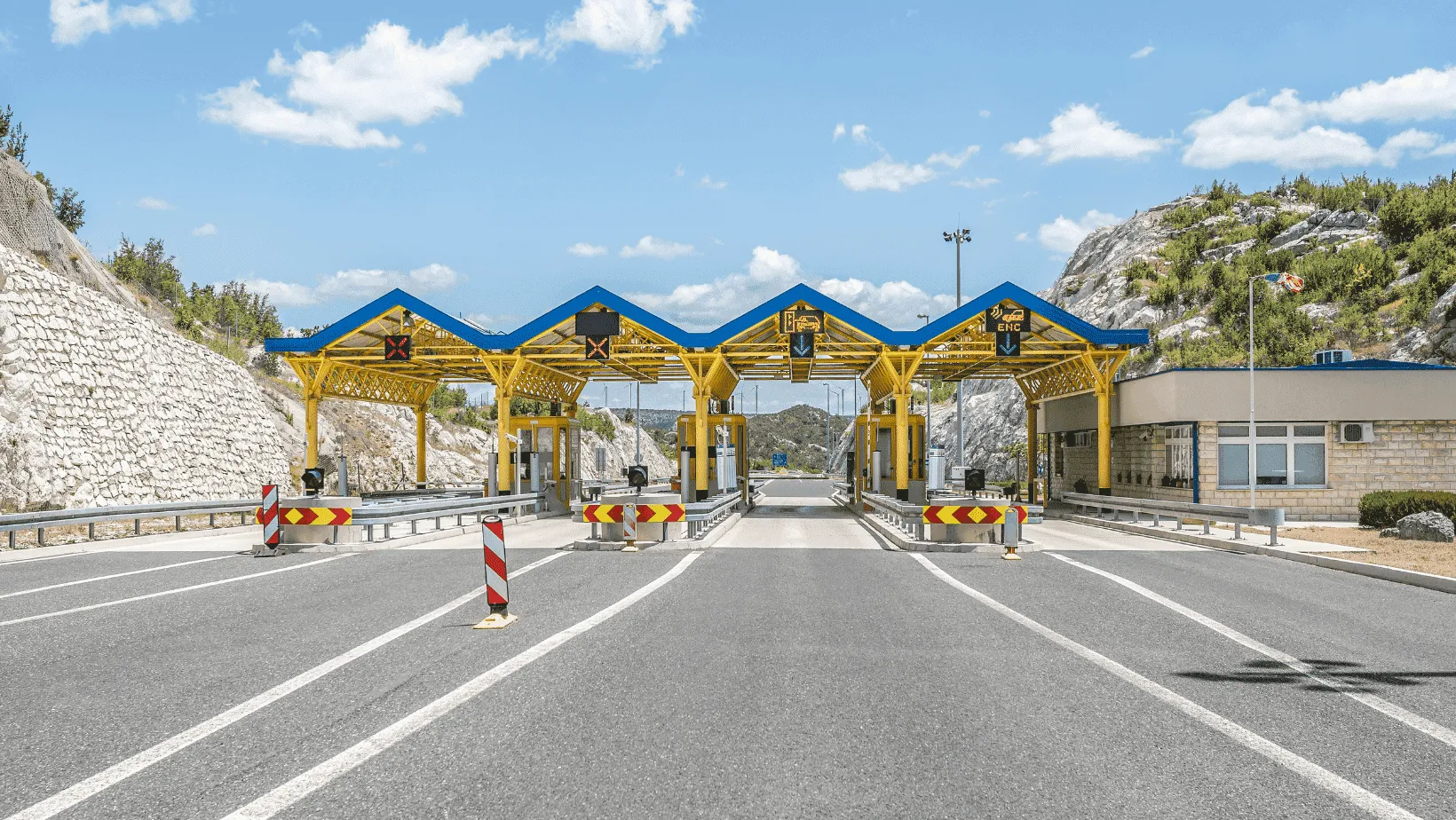
Two primary collection methods exist:
- Open systems — for shorter sections and bridges, where tolls are collected immediately
- Closed systems — for multi-entrance highways where drivers collect a card at entry and pay upon exit based on distance and vehicle type
Payment Methods
Croatian toll booths accept multiple payment options:
- Cash (Croatian Kuna or Euros)
- Credit and debit cards
- ENC electronic devices (dedicated lane, no stopping required)
- Subscription smart cards
- SMS messages
- Online portals
Major Tolled Roads
- A1, A6, A10 — Zagreb–Split–Rijeka–Čarapine
- A3, A5 — Zagreb–Lipovac–Osijek–Svilaj
- A4 — Zagreb–Goričan
- A11 — Zagreb–Sisak
- A2 — Zagreb–Macelj
- A7 — Rupa
The A1 Highway
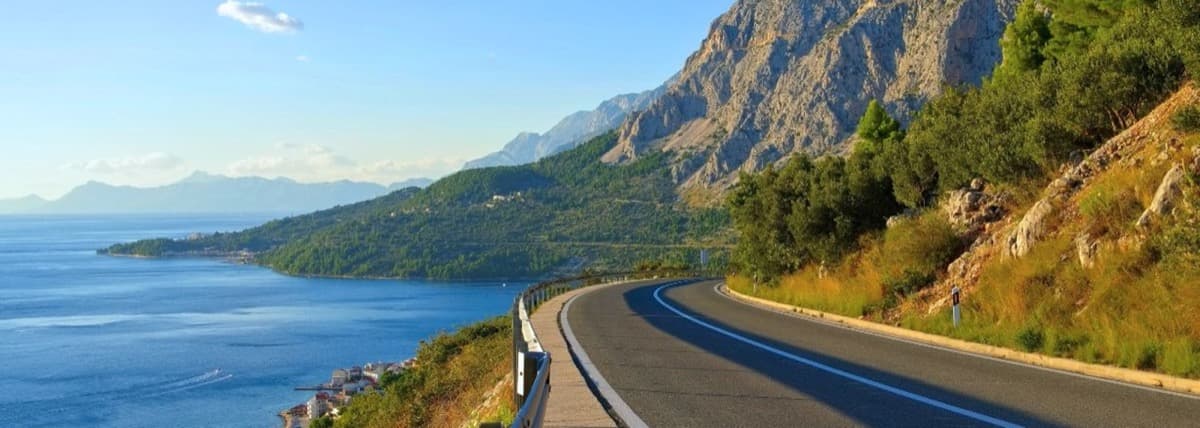
The A1 motorway connects Zagreb to Split and Ploče on the Adriatic. It forms part of European route E65, facilitates inland-to-coast transportation, and significantly reduces travel times. The route offers scenic views through varied landscapes, includes rest areas and service stations, and provides real-time traffic information via Croatian Motorways (HAC).
Vehicle Classifications
Five groups define toll rates:
- Group IA: Motorcycles and tricycles
- Group I: Two-axle vehicles under 1.90 m height (standard rental cars)
- Group II: Taller vehicles or those towing trailers
- Group III: Heavier multi-axle vehicles
- Group IV: Four or more axle vehicles or heavy towing combinations
Most rental cars fall into Group I. Plan for approximately 25–30 EUR in tolls for a Zagreb–Split drive.